We'll fumigate your property in 8 hours


Fumigation is the main method of effectively fighting wood pests, widely known as bark beetles, in the house, on the roof and in the building, by supplying gas into a properly prepared space and maintaining the appropriate gas concentration for a certain period of time.
All work related to house fumigation is preceded by the owner preparing the premises following the recommendations of our technical specialists Ecodez.
Sometimes after the house has been gassed, professional impregnation of the existing wooden material is carried out. Finishing the fumigation treatment with wood impregnation protects the wood from possible attack by wood pests. The need for impregnation and its extent is determined individually for each site.
From 399.9 GEL
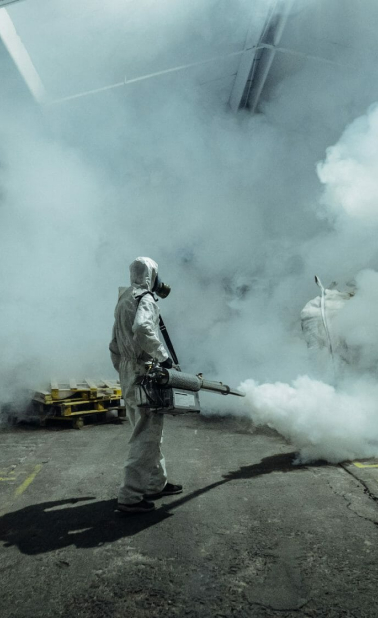
Fumigation requires the use of phosphine PH3 — a gas approved for use by the relevant regulator. During fumigation the gas is released by a chemical reaction of aluminium or magnesium phosphide, applied mainly as tablets or pills. Both types of gas are interchangeable or complement each other in home fumigation, depending on the so-called gassing technology. Highly toxic phosphine must be used only by authorized specialists, preferably with the greatest possible knowledge and experience of home fumigation.
The wood normally used to build roof or building elements, or whole wooden houses, is often infested with pests whose presence can be identified by holes in the wood and falling wood dust. A symptom of the so-called wood borer in the house, which prompts owners to begin fumigation, is also a characteristic cracking or scratching sound. In some cases owners find pieces of wood under which damaged material is visible, and tunnels bored by the beetles in which the owner spots a beetle or larva. Having learned that we have wood borers at home, we often start looking for information on how to get rid of them. In fact it usually turns out to be not a bark beetle but a wood-boring beetle. Wood pests feed on and destroy the wood used in our homes and roofs, while bark beetles destroy and feed on trees in forests, significantly affecting the whole forest ecosystem.
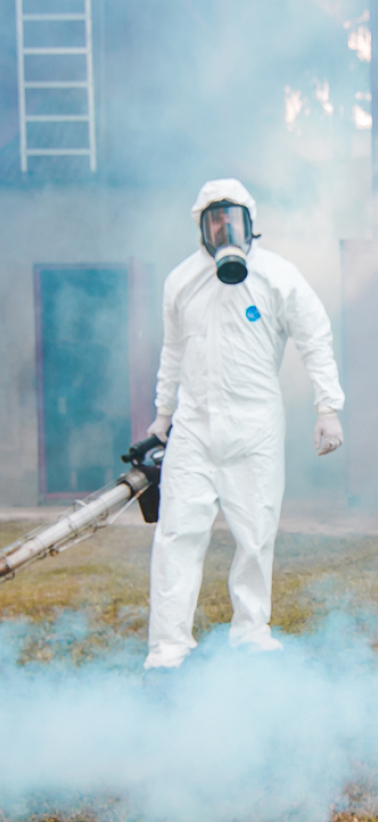
Fumigation and wood species Fumigation is a procedure that applies to all species of wood. It can be used on both deciduous and coniferous wood, hard or soft, new, perennial or old, including wood that is several hundred years old. Fumigation ensures the destruction of wood pests even in antique wood and wood covered with varnish, glaze or stain. Fumigation of individual wooden elements of the house Fumigation, or home gassing, can be used to effectively fight wood pests both in the roof-truss timber and in the structural timber of the attic. Fumigation can cover wooden ceilings, supports inside the house, decorative beams, joists and furniture. We can gas window frames and stairs. As a rule, the treatment should cover all the wood in and around the house, e.g. wooden terraces or external supports. Fumigation can cover solid-timber houses, half-timbered houses, Canadian houses and log houses. Gas technique — home fumigation technique House fumigation is a procedure preceded by an analysis of factors such as the volume and shape of the house, the method and extent of sealing, the amount of work inside, the completion date, weather conditions, the degree of wood infestation and access to the wood, temperature, the type and method of application, the gas, the planned initial and target concentration on site and the cost of the procedure. All these factors, together with the gas manufacturer's requirements and the fumigation procedures developed by DREVPOL, make it possible to choose the best gassing technology — in terms of both effectiveness and safety of the procedure.
When submitting a request on the site
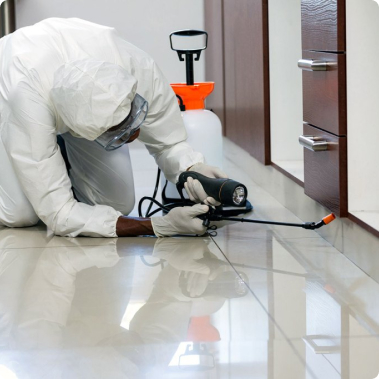
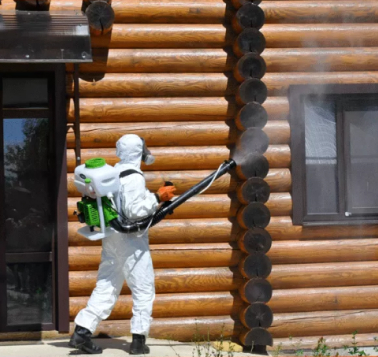
Home fumigation — acceptable temperatures Fumigation of the house, roof and building is usually carried out in the months when the average temperature is above 5 °C. Fumigation — duration of the procedure Fumigation lasts, depending on the gassing technology used, usually from 6 to 14 days. For a non-standard shape it takes longer and can last up to 14-24 days. What are the advantages of fumigation? Fumigation destroys all kinds of wood pests at all stages of development, including wood-borer larvae. Any species of wood can be fumigated.

We have worked in pest control for over 7 years

All our services are safe and effective

Extermination in the hardest-to-reach places

All insecticides are certified and safe
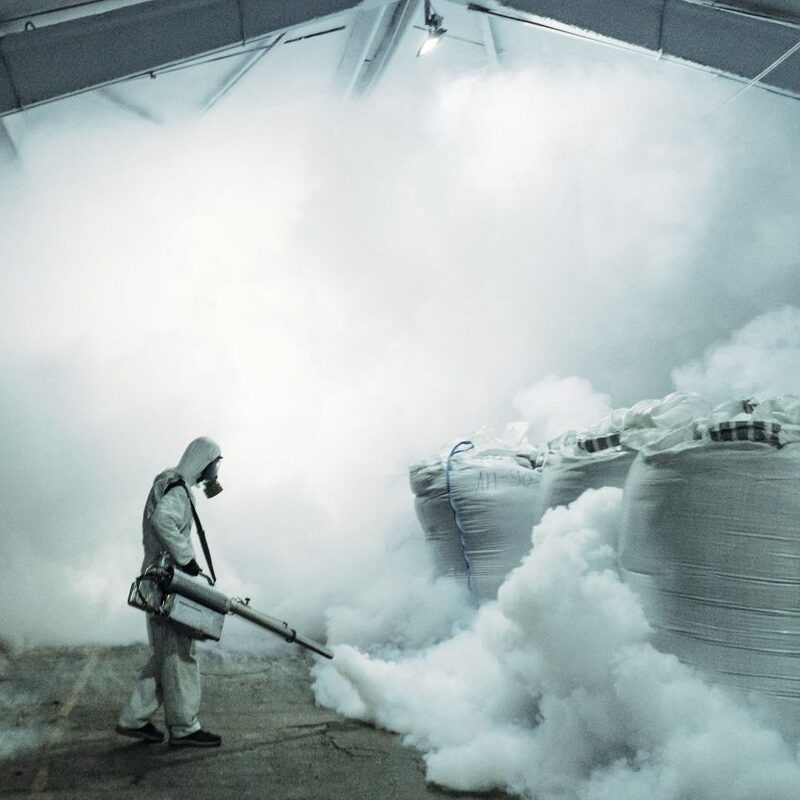


Fumigation — stages
The first stage of fumigation is to seal the house with a gas-tight film inside and out. Almost every time this involves waterproofing the roof/attic, and in the case of wooden elements such as terraces, stairs, canopies, garages and support posts, these are also sealed on the outside of the house. The house is reliably protected from the inside and then checked for tightness before the gas supply begins.
Then, during the second stage of fumigation, the product is distributed over the entire area of the site. Once the gas supply is adapted to the specific site/house, the site is closed. During fumigation neither people nor animals may be present. In some cases control measurements of the gas concentration are taken on site.
After exposure comes the third stage of fumigation — degassing of the space, each time controlled by several final measurements of the gas concentration until a zero gas value is reached and the space is clean.
When submitting a request on the site