We'll clear your property of ticks in 4 hours


Ticks spread many diseases and can infect not only pets but also people. Many of these diseases, such as Lyme disease or tick-borne encephalitis, end in serious complications leading to irreversible loss of health and reduced quality of life. It is estimated that in Georgia today every third tick carries at least one disease (often several at once).
From 99 GEL
From 119 GEL
From 189 GEL
From 245 GEL
From 345 GEL
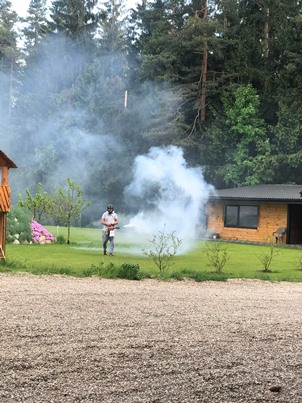
Ticks do not fly or jump — they have no special jumping legs like fleas or grasshoppers. They ambush their prey. Clinging to tall grass or bushes, they stretch out their front legs, equipped with sensory organs (Haller's organ) and hooked claws, waiting to catch and hold on. These pests often hitchhike on pets or household pests such as rats and mice. Tick spread is not a serious problem for houses well protected from pest entry (rodents, stray cats, squirrels, martens). But in old, poorly built houses in bad condition with many entry points, ticks get in freely. It is estimated that the number of diseases caused by tick bites tripled between 2004 and 2026 and keeps rising.
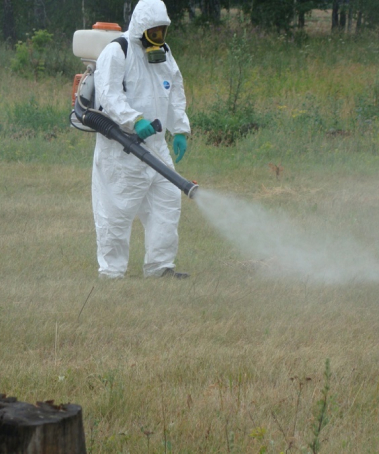
Tick spread is not a serious problem for houses well protected from pest entry (rodents, stray cats, squirrels, martens). But in old, poorly built houses in bad condition with many entry points, ticks get in freely. It is estimated that the number of diseases caused by tick bites tripled between 2004 and 2026 and keeps rising. Ticks like moisture and shaded areas. Limiting such habitats in the garden and giving it more sunlight reduces the places suitable for ticks to survive. Get rid of unnecessary piles of leaves and mulch. Firewood is best kept in a sunny spot a few metres from the house. Wood should also be stored so it does not touch the ground directly (e.g. on pallets). Habitat changes should mainly concern the areas visited by pets and family members, not necessarily the whole territory. Remember that most insecticides do not act selectively on specific groups of insects, so they can also harm beneficial ones. For this reason, choose to spray early in the morning or in the evening, when the activity of beneficial insects such as bees and bumblebees is low. For the same reason, do not apply tick spray to flowers.
When submitting a request on the site

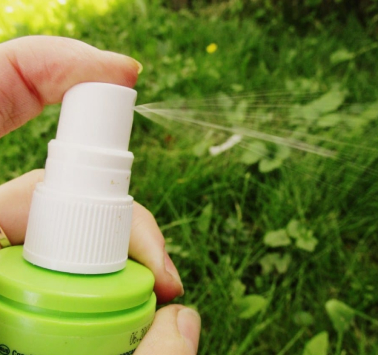
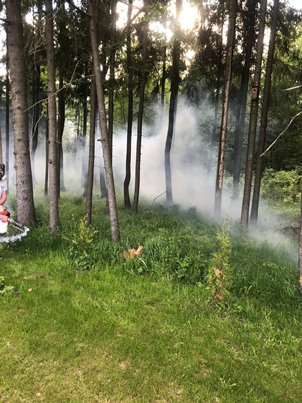
The areas to focus on when spraying your garden for ticks include where the lawn meets trees, shrubs, thujas or other tall vegetation or ornamental plantings, especially in damp and shaded spots. Creating additional barriers of gravel or conifer bark in these areas can also prevent ticks from spreading across the garden. Take care of the lawn too: frequent mowing and keeping the grass low make it easier to fight ticks in your garden.
Limiting rodent access and regular rodent control prevent the entry of pests that spread ticks. Also do not leave dog or cat food in the garden — it attracts hedgehogs, which are also tick carriers. This way the procedures can be repeated less often, leading to significant savings for your wallet and the environment.

We have worked in pest control for over 7 years

All our services are safe and effective

Extermination in the hardest-to-reach places

All insecticides are certified and safe


When submitting a request on the site